A race engineer is the driver's partner at the track. They decide how the car is set up, plan each session, read the data with the driver and make the calls that turn practice into a result. Here is what the job involves, what teams look for and how engineers get their first job on the pit wall.
Teams post race engineer roles through the season.
Create your profile so teams can find you when they start hiring.
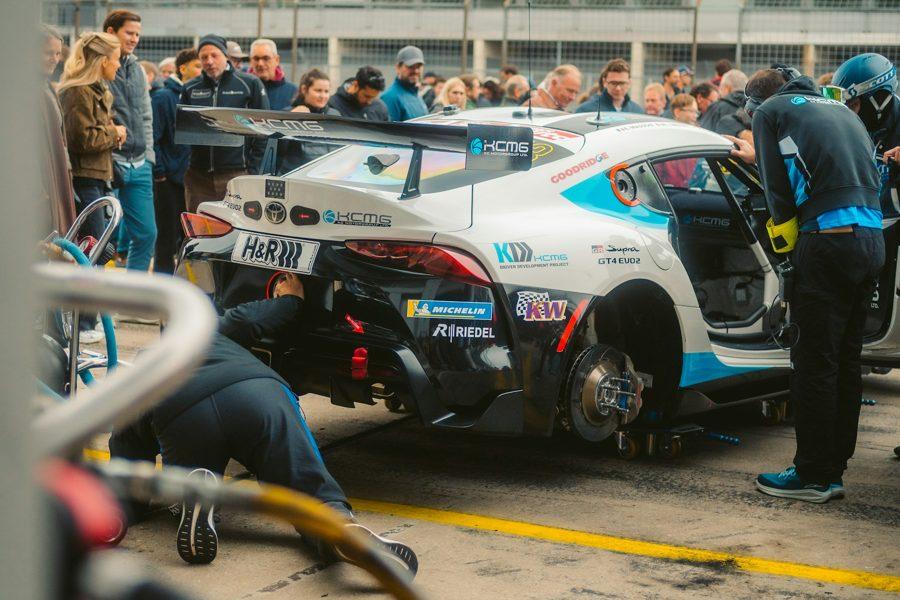

Studies data from the last visit to the track, plans the setup and the run plan for each session, and briefs the mechanics on the changes.

Talks the driver through every run, reads the data between sessions, decides setup changes and tyre use, and plans the race strategy with the team manager.
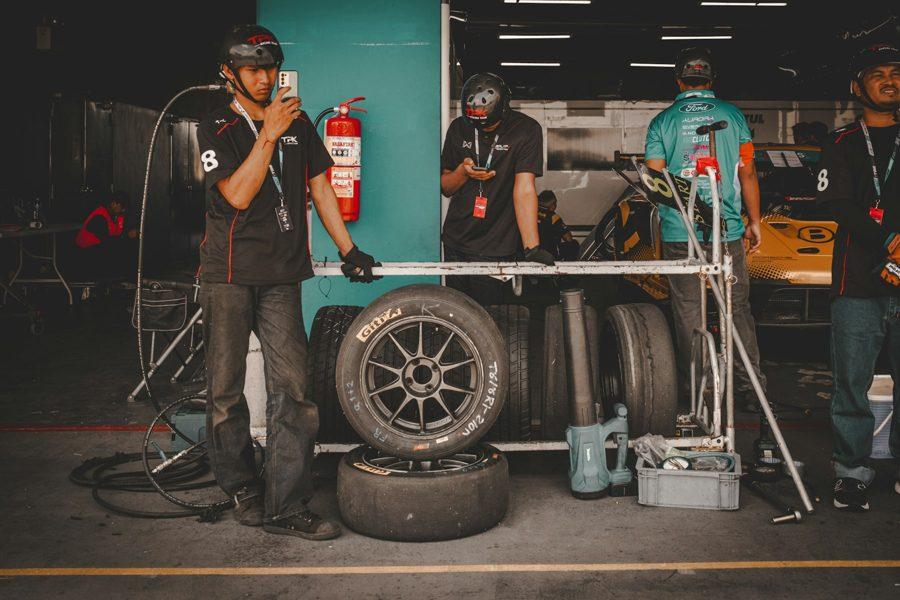
Writes up what worked and what did not, tracks how parts are wearing, and feeds back to the car builder or supplier when something keeps failing.
The job is as much about people as about numbers. A good race engineer knows how their driver describes the car, keeps the mechanics informed and stays calm when a session goes wrong. In smaller teams the race engineer often looks after the data too, and may run more than one car.
A mechanical or motorsport engineering degree, plus a student race car project if you can.
Most race engineers start by looking after the data or a second car in a junior series.
Running a car and a driver on your own, often first in a national championship.
Responsible for the engineering of every car in the team.
Junior single-seater and GT teams are where most engineers get their first car to run. The cars are simpler, the teams smaller, and you get far more responsibility early than you would at the top level.
Apprenticeships are the most common start. How motorsport apprenticeships work
Most teams expect one, usually in mechanical, automotive or motorsport engineering. People without a degree do get there, usually by working up from mechanic or data roles and proving they can run a car.
The race engineer runs the car and works directly with the driver. The performance or data engineer studies the data in depth and finds where time is being lost, then gives that to the race engineer.
Either a salary for the season or a day rate per event, especially for freelance engineers who work with several teams. In the UK, the National Careers Service puts motorsport engineers at £27,000 a year to start and £60,000 with experience. Pay also depends on the championship and the country.
Source: National Careers Service: motorsport engineer, checked November 2026
Yes. Many teams in national championships hire engineers per event or per season rather than full-time. It is common to run cars for more than one team in a year.
Start close to the car: a student race car project, a data role in a junior team, or helping a club racer with their setup. Keep notes of the cars and championships you have worked in, because team managers want to see that you have run a car before they give you one.
Create a staff profile with your experience and the dates you are free. Creating a profile costs nothing. Seeing which team is hiring and applying needs the Team Staff plan: €30 a month or €220 a year.
